(1) Soil development at the global scale. Earth’s soils are constantly changing—yet global scale models of soil properties are largely static. To predict the future of Earth’s soils, we must animate global models with our knowledge of how soils develop in different environments. I have followed this theme across a range of projects: identifying the major environmental controls on soil pH, constraining the legacy effects of the last ice age on silicate mineral weathering, and mapping geographic domains where soil minerals may favor organic carbon storage. My lab’s current research related to this theme focuses on the global calcium cycle, soil pH, and the role of cations in mediating soil organic carbon storage.

(2) Microbial physiology, the soil environment, and the carbon cycle. Plants fix carbon from the atmosphere and release it in soil; microorganisms make a living decomposing and recycling this carbon. Belowground carbon storage thus depends on microbial physiology and the way microbes respond to changes in the soil environment. I have explored this theme by studying the effects of drought on soil carbon fluxes, microbial carbon metabolism and nitrogen cycling.

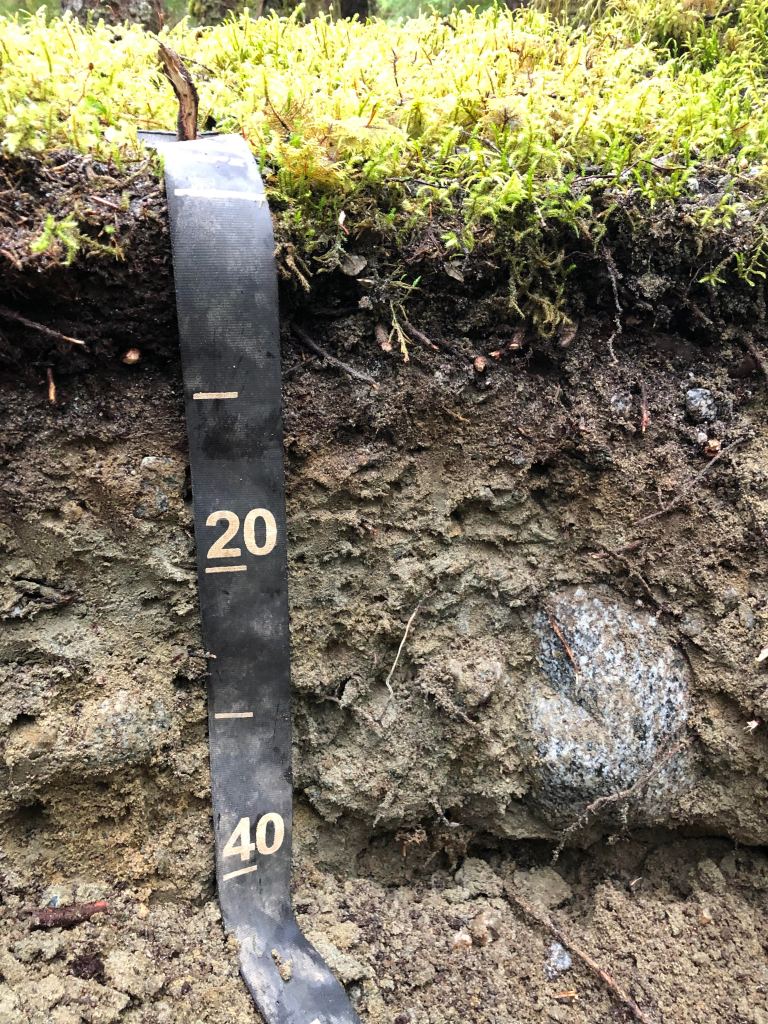
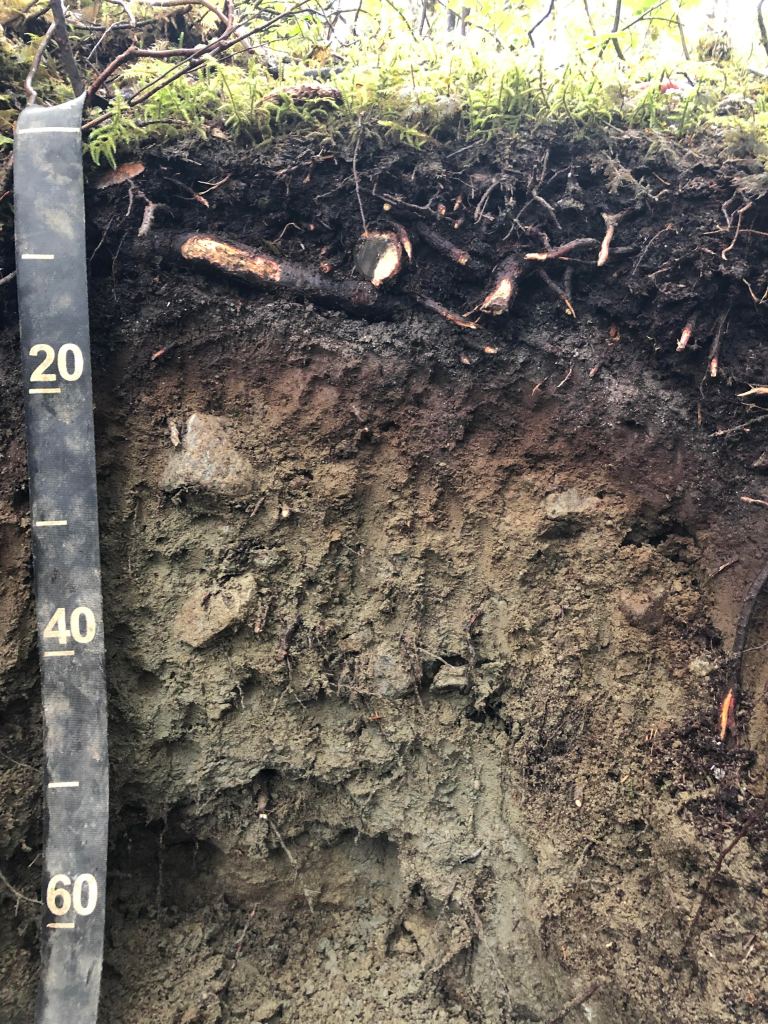
(3) Soil and climate mitigation. How can we reduce the climate footprint of agriculture? Can we fight climate change by trying to reverse soil carbon loss? What role can soils play in yielding durable geologic carbon storage? I have assessed the potential and the limitations of soil-based carbon capture, studied carbon accrual under perennial bioenergy crops, and argued for improvements in the way soil carbon accrual rates are interpreted in agricultural settings.
- International Soil Carbon Network soil carbon webinar series
- CarbonPlan post on soil carbon accounting
- October 2022 Catalyst podcast interview

 Slessarev Lab